Medical air filters are crucial components in maintaining sterile and safe environments within healthcare facilities, pharmaceutical production, and research laboratories. They are designed to remove a wide range of airborne contaminants, including dust, pollen, mold, bacteria, and viruses, protecting both patients and personnel. The increasing demand for higher air quality standards, coupled with rising global health concerns, has led to significant advancements in medical air filter technology.
The global market for medical air filtration systems is experiencing substantial growth, driven by factors such as increasing hospital admissions, the prevalence of airborne diseases, and stringent regulatory requirements. According to a report by Grand View Research, the global air purifier market size was valued at USD 12.26 billion in 2022 and is expected to grow at a compound annual growth rate (CAGR) of 11.5% from 2023 to 2030. This growth highlights the critical importance of reliable and effective medical air filter solutions.
Investing in understanding medical air filtration isn’t merely about compliance; it’s about safeguarding health, enhancing operational efficiency, and promoting a culture of safety. From preventing healthcare-associated infections to ensuring the integrity of pharmaceutical manufacturing processes, the benefits of utilizing advanced filtration systems are far-reaching and vital in today's world.
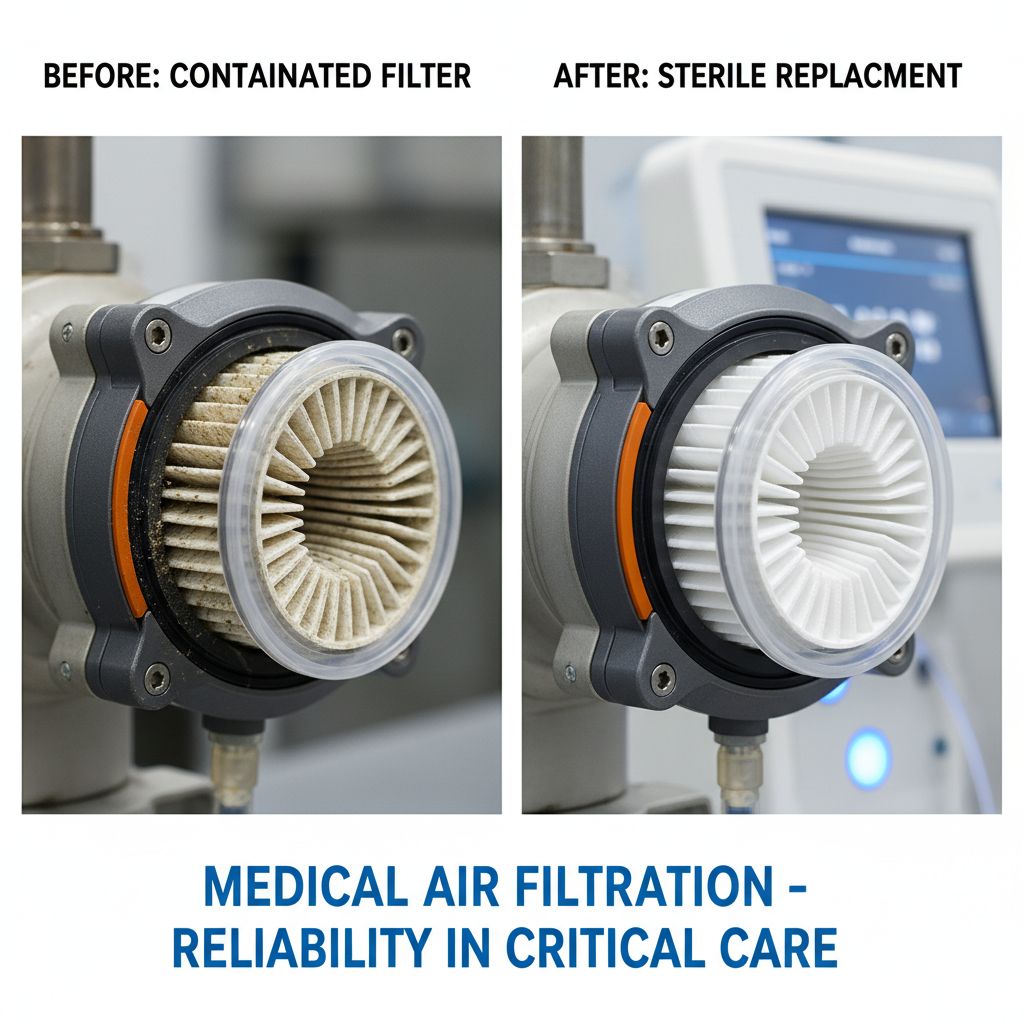
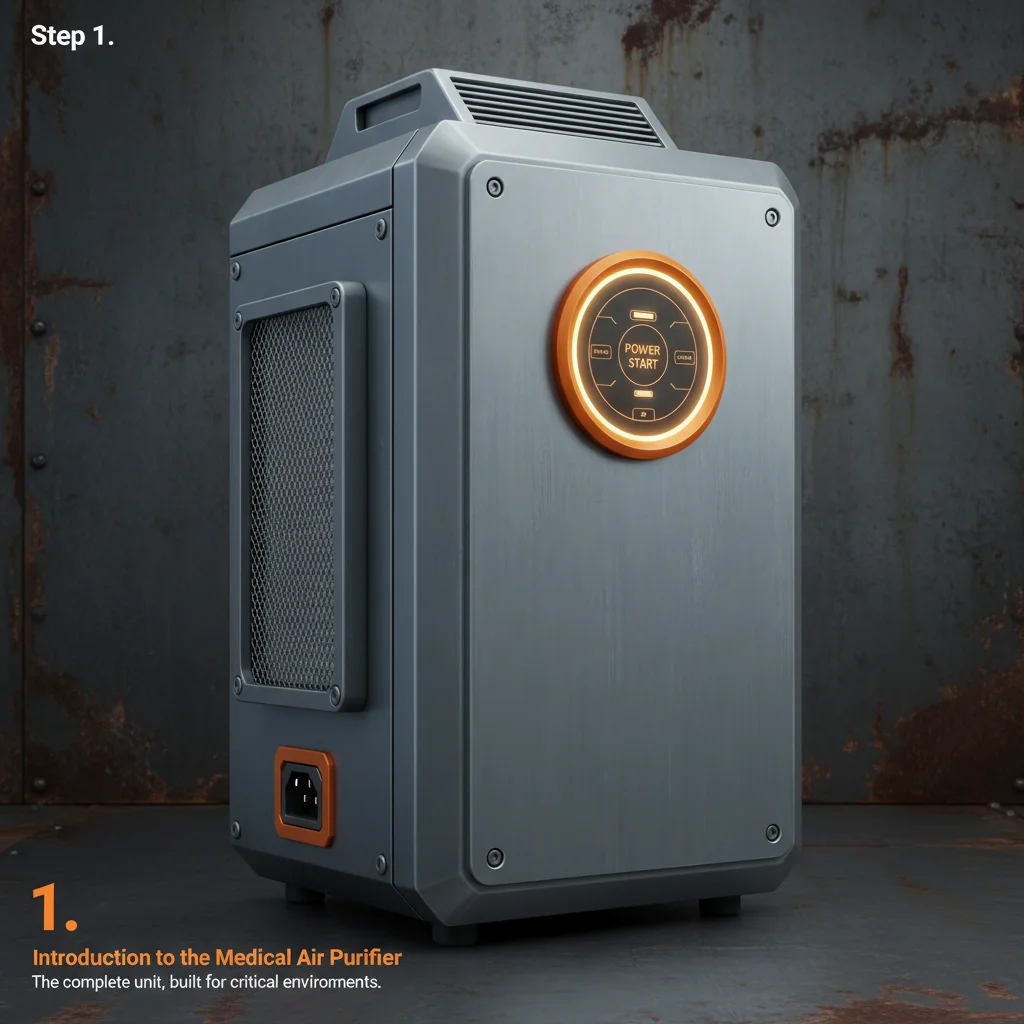
Introduction to Medical Air Filters
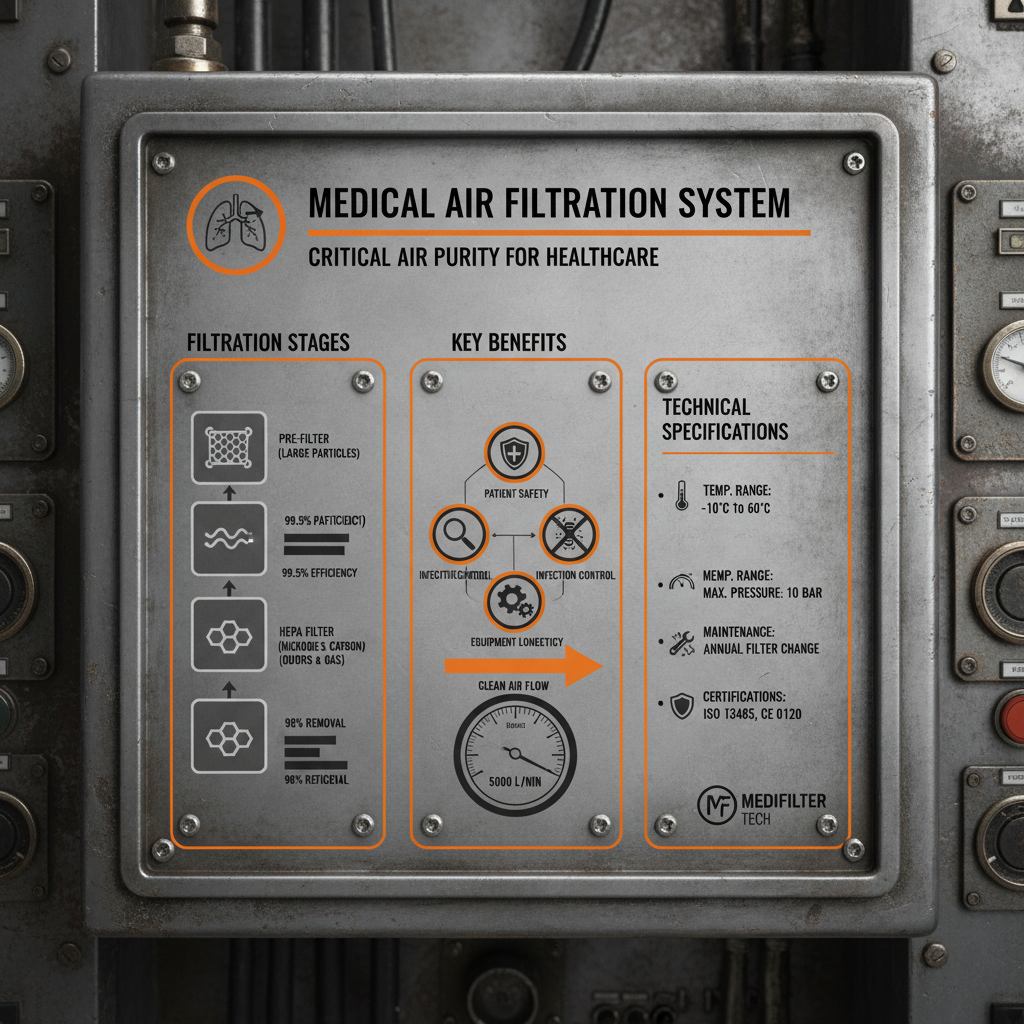
Medical air filters are specifically engineered to address the unique air quality demands of healthcare settings. Unlike standard air filters, they are designed to capture microscopic particles and pathogens with high efficiency, often employing technologies like HEPA (High-Efficiency Particulate Air) and ULPA (Ultra-Low Penetration Air) filtration. The effectiveness of these filters is paramount in reducing the risk of healthcare-associated infections (HAIs).
The core function of a medical air filter is to protect sensitive environments from contamination. This includes operating rooms, isolation wards, laboratories, pharmaceutical manufacturing facilities, and even dental offices. The selection of the appropriate filter type and efficiency level is crucial, depending on the specific application and the level of air purity required. medical air filter plays a vital role in ensuring patient safety and maintaining a sterile environment.
Defining Medical Air Filtration
Medical air filtration refers to the process of removing airborne contaminants from the air supply within healthcare facilities and related environments. This process utilizes specialized filters designed to capture particulate matter, including dust, pollen, mold spores, bacteria, and viruses. The goal is to create and maintain a clean air environment that minimizes the risk of infection and supports patient recovery.
The sophistication of medical air filtration systems has evolved significantly over time. Early systems relied on basic filtration methods, while modern systems incorporate advanced technologies such as HEPA and ULPA filters, activated carbon filtration, and UV sterilization. These advancements are driven by the increasing understanding of airborne pathogens and the need for more effective infection control measures.
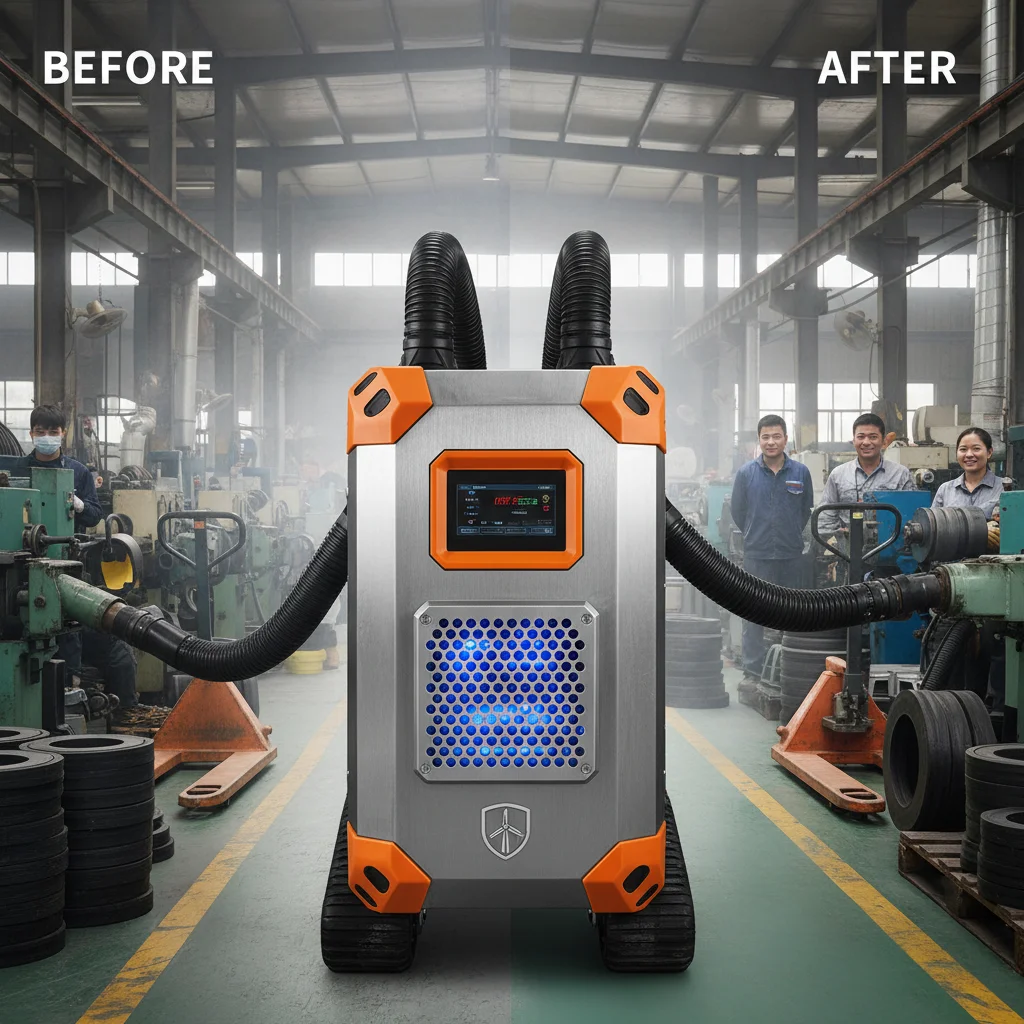
The connection to modern industry and humanitarian needs is strong. Pharmaceutical production, for example, demands incredibly high air purity to prevent contamination of drugs and vaccines. In disaster relief scenarios, portable medical air filter units are essential for creating safe environments for treating patients in temporary medical facilities.
Key Factors in Medical Air Filter Performance
Several key factors determine the performance and effectiveness of a medical air filter. These include filtration efficiency, airflow resistance, filter lifespan, and material compatibility. Filtration efficiency, measured in terms of Minimum Efficiency Reporting Value (MERV) or HEPA/ULPA standards, indicates the filter’s ability to capture particles of different sizes.
Airflow resistance, also known as pressure drop, is the measure of how much the filter restricts airflow. Lower airflow resistance ensures that the HVAC system doesn’t have to work harder to maintain adequate ventilation. Filter lifespan is crucial for cost-effectiveness and minimizing maintenance requirements. Finally, the materials used in the filter must be compatible with the intended environment and not release harmful substances into the air.
These factors directly influence the practical applications of medical air filters. For instance, operating rooms require HEPA filters with high efficiency and low airflow resistance to maintain a sterile environment without disrupting ventilation. Pharmaceutical manufacturing facilities demand filters with long lifespans and materials that won’t contaminate the products.
Global Applications of Medical Air Filters
Medical air filters are employed in a diverse range of settings worldwide. Hospitals and clinics are primary users, utilizing these filters in operating rooms, intensive care units, isolation wards, and ventilation systems. Pharmaceutical companies rely heavily on medical air filter to maintain sterile environments during drug manufacturing.
Research laboratories, particularly those handling biological materials or conducting infectious disease studies, require advanced air filtration to protect researchers and prevent the release of harmful pathogens. In post-disaster relief operations, portable air filtration units are crucial for creating safe and sanitary conditions in temporary medical facilities.
Medical Air Filter Efficiency Comparison
Advantages and Long-Term Value
The advantages of implementing effective medical air filtration extend beyond immediate health benefits. Cost savings are achieved through reduced healthcare-associated infections, leading to shorter hospital stays and lower treatment costs. Sustainability is improved by minimizing the need for harsh cleaning chemicals and reducing energy consumption through optimized HVAC system performance.
From a social impact perspective, medical air filter promote a safer and more dignified healthcare experience for patients. The emotional benefit of knowing that the air is clean and safe can significantly reduce anxiety and improve overall well-being. Trust in healthcare facilities is also enhanced through demonstrated commitment to infection control.
Future Trends in Medical Air Filtration
The future of medical air filtration is focused on smarter, more efficient, and more sustainable solutions. Advancements in nanotechnology and materials science are leading to the development of filters with even higher efficiency and longer lifespans. Integration with IoT (Internet of Things) devices will enable real-time monitoring of air quality and filter performance.
The growing emphasis on green building practices is driving the demand for energy-efficient filtration systems. Digital transformation and automation will streamline filter maintenance and replacement processes. Ultimately, these innovations aim to create a more proactive and responsive approach to air quality management in healthcare settings.
Challenges and Innovative Solutions
Despite advancements, several challenges remain in the field of medical air filtration. These include the high cost of HEPA and ULPA filters, the difficulty of maintaining proper filter seal, and the potential for microbial growth on filter surfaces. Addressing these challenges requires innovative solutions.
One promising approach is the development of antimicrobial filters that inhibit the growth of bacteria and fungi. Another is the use of advanced sealing technologies to ensure a tight fit between the filter and the HVAC system. Furthermore, predictive maintenance algorithms can optimize filter replacement schedules and minimize downtime.
Research into alternative filter materials, such as bio-based polymers and carbon nanotubes, is also underway. These materials offer the potential for improved performance, reduced cost, and greater sustainability.
Summary of Solutions to Common Medical Air Filter Challenges
| Challenge |
Solution |
Implementation Cost (1-10) |
Expected Impact (1-10) |
| High Filter Costs |
Explore alternative filter materials |
6 |
7 |
| Poor Filter Seal |
Implement advanced sealing technologies |
5 |
8 |
| Microbial Growth |
Utilize antimicrobial filters |
7 |
9 |
| Filter Clogging |
Implement pre-filters |
3 |
6 |
| Maintenance Complexity |
Integrate IoT for monitoring & alerts |
8 |
7 |
| Energy Consumption |
Optimize HVAC system & filters |
4 |
5 |
FAQS
HEPA (High-Efficiency Particulate Air) filters remove at least 99.97% of particles 0.3 microns in diameter, while ULPA (Ultra-Low Penetration Air) filters remove at least 99.999% of particles of the same size. ULPA filters offer a higher level of filtration efficiency, making them suitable for applications requiring extremely clean air, such as semiconductor manufacturing and certain types of pharmaceutical production.
The replacement frequency of medical air filters depends on several factors, including the filter type, the level of contamination in the air, and the recommendations of the filter manufacturer. Generally, HEPA filters should be replaced every 6-12 months, while pre-filters may need to be replaced more frequently, such as every 1-3 months. Regular monitoring of pressure drop can indicate when a filter needs to be replaced.
MERV (Minimum Efficiency Reporting Value) is a rating system used to indicate the effectiveness of air filters. Higher MERV ratings indicate that the filter captures a greater percentage of smaller particles. For medical applications, filters with a MERV rating of 13 or higher are typically recommended to effectively capture bacteria, viruses, and other airborne contaminants.
Proper installation is crucial to ensure the effectiveness of a medical air filter. It's important to follow the manufacturer's instructions carefully and to ensure a tight seal between the filter and the HVAC system. Any gaps or leaks can allow unfiltered air to bypass the filter, compromising air quality. Professional installation is often recommended for critical applications.
Pre-filters are used to capture larger particles, such as dust and pollen, before they reach the HEPA filter. This extends the lifespan of the more expensive HEPA filter and improves its overall efficiency. Pre-filters also reduce the load on the HVAC system, potentially saving energy and reducing maintenance costs.
Yes, there is a growing trend towards more sustainable medical air filter options. These include filters made from recycled materials, biodegradable filters, and filters that require less energy to operate. Choosing eco-friendly filters can help reduce the environmental impact of healthcare facilities.
Conclusion
In conclusion, medical air filtration is a cornerstone of modern healthcare, playing a vital role in safeguarding patient and personnel health, ensuring the integrity of critical processes, and meeting stringent regulatory requirements. From the foundational principles of HEPA and ULPA filtration to emerging trends in nanotechnology and IoT integration, the field continues to evolve, driven by the ever-present need for cleaner, safer air. medical air filter are more than just components; they represent a commitment to well-being and operational excellence.
Looking ahead, continued investment in research and development, coupled with a focus on sustainability and cost-effectiveness, will be essential to address the evolving challenges in medical air filtration. By embracing innovative solutions and prioritizing air quality management, healthcare facilities can create environments that promote healing, prevent infection, and foster a culture of safety. Visit our website at www.gyfsilicone.com to explore our range of high-performance medical air filter solutions.