April 09, 2026
Maintaining a high-performance kitchen starts with the smallest details, and nothing is more critical for pressure cookers than a high-quality Cooker Sealing Ring. This small but mighty component is responsible for creating an airtight seal, ensuring that pressure builds correctly to cook food faster and lock in essential nutrients. Whether you are a home chef or a commercial kitchen manager, understanding the material, fit, and maintenance of your sealing rings can significantly extend the life of your appliance and improve safety. In this guide, we will explore everything you need to know about selecting and maintaining the perfect seal for your cookware.
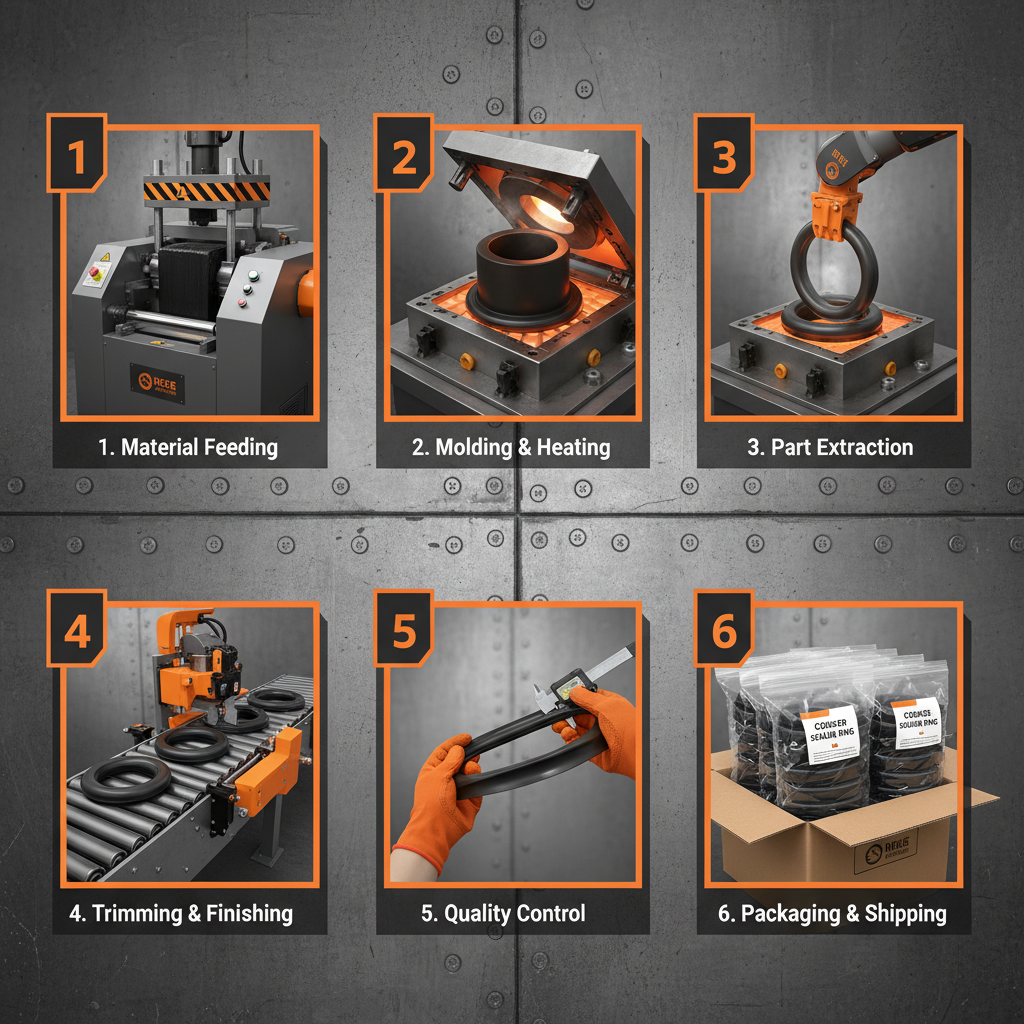
Not all seals are created equal. The material used in a Cooker Sealing Ring determines its heat resistance, longevity, and food safety profile. Most modern, high-end rings are made from food-grade silicone due to its exceptional stability at high temperatures and its non-reactive nature. Unlike cheaper rubber alternatives, silicone does not leach harmful chemicals into your food and resists warping over time. Ensuring your seal is BPA-free and FDA-compliant is essential for maintaining a healthy cooking environment.
Pro Tip: Always check for a "food-grade" certification when purchasing replacements to ensure your Cooker Sealing Ring is safe for high-pressure, high-heat applications.
Recognizing when a seal has failed is crucial for both efficiency and safety. If you notice steam escaping from the sides of the lid rather than through the pressure valve, it is a clear indicator that your Cooker Sealing Ring is no longer performing its job. Other warning signs include visible cracks, a stretched-out shape, or a lingering food odor that won't wash away. When the seal fails, the cooker cannot reach the required pressure, resulting in undercooked food and wasted energy.
Warning Signs Checklist:
• Steam leaking from the lid perimeter
• Difficulty in reaching the required pressure level
• Physical deformation or thinning of the silicone
• Persistent odors trapped in the ring material
When browsing for replacements, you will likely find options in both rubber and silicone. While rubber was the industry standard for decades, silicone has taken over due to its superior thermal properties. A high-quality Cooker Sealing Ring made of silicone can withstand temperatures that would melt or degrade standard rubber. This leads to fewer replacements and a more consistent seal over hundreds of cooking cycles.
Proper installation is just as important as the quality of the ring itself. When inserting a new Cooker Sealing Ring, ensure it sits flush within the groove of the lid. Any slight misalignment or twist can create a gap, leading to pressure leaks. To maintain the seal, avoid using abrasive scrubbers that can scratch the silicone surface. Instead, wash with mild soap and warm water. For deep cleaning, some experts recommend a vinegar and water soak to neutralize food odors without compromising the material's integrity.
For B2B buyers and appliance manufacturers, technical precision is non-negotiable. A professional-grade Cooker Sealing Ring must adhere to strict tolerances to ensure a universal or model-specific fit. The hardness (measured in Shore A) is typically optimized to be soft enough to create a seal but firm enough to resist deformation under pressure. Below are the standard specifications typically found in high-performance silicone seals.
In today's market, sustainability is key. Choosing a durable Cooker Sealing Ring reduces waste. Because silicone is significantly more durable than rubber, users replace their seals less frequently, leading to fewer landfills. Furthermore, many silicone manufacturers are moving toward eco-friendly production processes that reduce carbon emissions. By investing in a long-lasting, high-quality seal, you are not only ensuring your kitchen's efficiency but also contributing to a more sustainable future.
The Cooker Sealing Ring may be a small component, but it is the cornerstone of pressure cooking safety and efficiency. From choosing food-grade silicone to monitoring for signs of wear and ensuring proper installation, every step matters. By prioritizing quality and adhering to maintenance guidelines, you can enjoy a safer cooking experience and prolong the life of your appliances. Don't wait for a leak to happen—inspect your seal today and choose the best materials for your kitchen.
While there is no fixed expiration date, it is generally recommended to replace your Cooker Sealing Ring every 12 to 18 months depending on usage. If you cook daily, you may need to replace it sooner. Always perform a visual inspection before each use; if the ring looks stretched, cracked, or feels brittle, replace it immediately to avoid safety hazards and ensure the pot reaches the correct pressure.
No, sealing rings are typically model-specific. Even a difference of a few millimeters in diameter or thickness can prevent the ring from seating properly, causing dangerous steam leaks. Always refer to your user manual or the manufacturer's part number when ordering a replacement Cooker Sealing Ring. If you are unsure, measuring the inner diameter of your current ring is the best way to ensure a perfect fit.
Silicone is non-porous, but odors can sometimes cling to the surface. To remove them, try soaking the Cooker Sealing Ring in a mixture of warm water and white vinegar for 30 minutes. For tougher smells, a paste of baking soda and water applied to the ring and left for an hour before rinsing usually does the trick. Avoid using harsh bleach, as this can degrade the silicone over time.
Yes, most food-grade silicone Cooker Sealing Rings are dishwasher safe. However, to maximize the lifespan of the seal, hand washing with mild soap is preferred. The high heat and harsh chemicals in some dishwasher detergents can potentially accelerate the aging process of the silicone, making it lose its elasticity slightly faster than hand-washed rings.
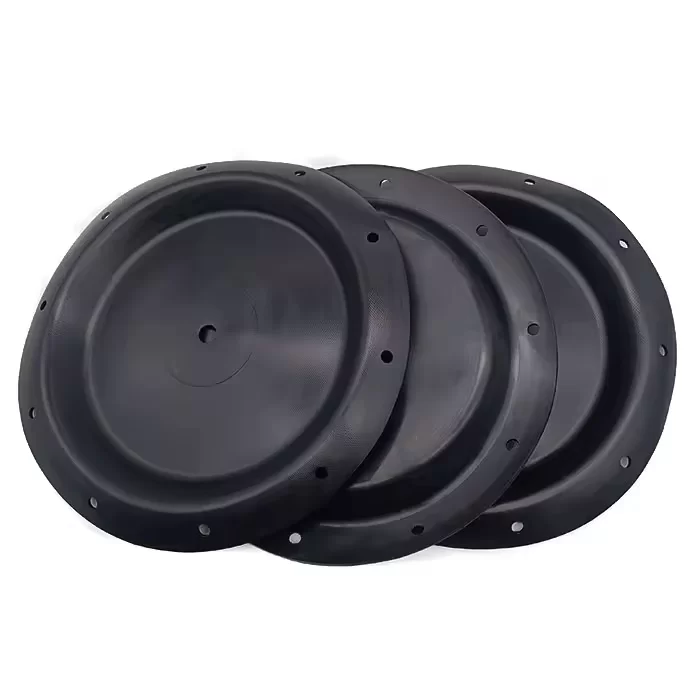
Long Service Life Pneumatic Diaphragm Pump Silicone Rubber Diaphragm
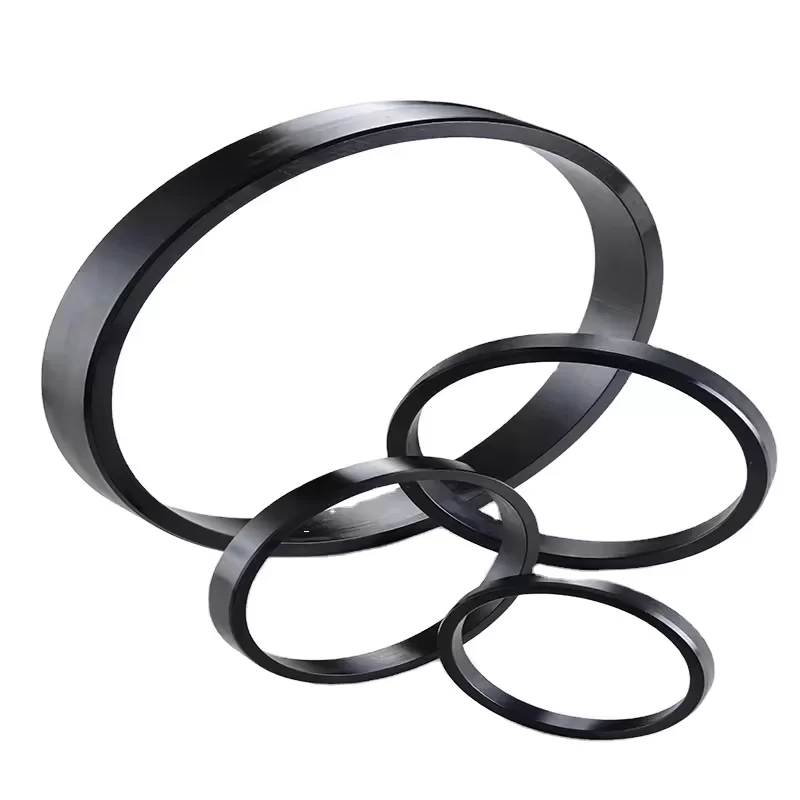
Rubber SealNBR Ring for Hydraulic Cylinders Piston
Similar MONO Progressive Cavity Pump Pin Seal

Apr 17, 2026
Advanced Air Sterilization Machine for Indoor Air Quality and Safety