
Advanced Food-Grade Silicone Tube Solutions for the DRC Market

High-performance rubber extrusion engineering tailored for the industrial and healthcare infrastructure of the Democratic Republic of the Congo.

Advanced Food-Grade Silicone Tube Solutions for the DRC Market

Providing the Democratic Republic of the Congo with precision-engineered silicone components that withstand extreme tropical humidity and demanding industrial requirements.

Rubber Manufacturing Status in Democratic Republic of the Congo

Analyzing the integration of high-grade silicone extrusions in Central Africa's unique environment.

In the Democratic Republic of the Congo, the demand for Extruded Silicone Tube has surged due to the expansion of mining infrastructure and urban development in Kinshasa and Lubumbashi. However, the local market often struggles with materials that degrade under the intense UV radiation and high humidity of the Congo Basin.

The healthcare sector in the DRC is currently transitioning toward more sterile, reusable components. The introduction of Medical-Grade Silicone Tube is critical for upgrading clinics and hospitals, replacing low-quality plastics that cannot withstand rigorous autoclave sterilization cycles common in regional medical hubs.

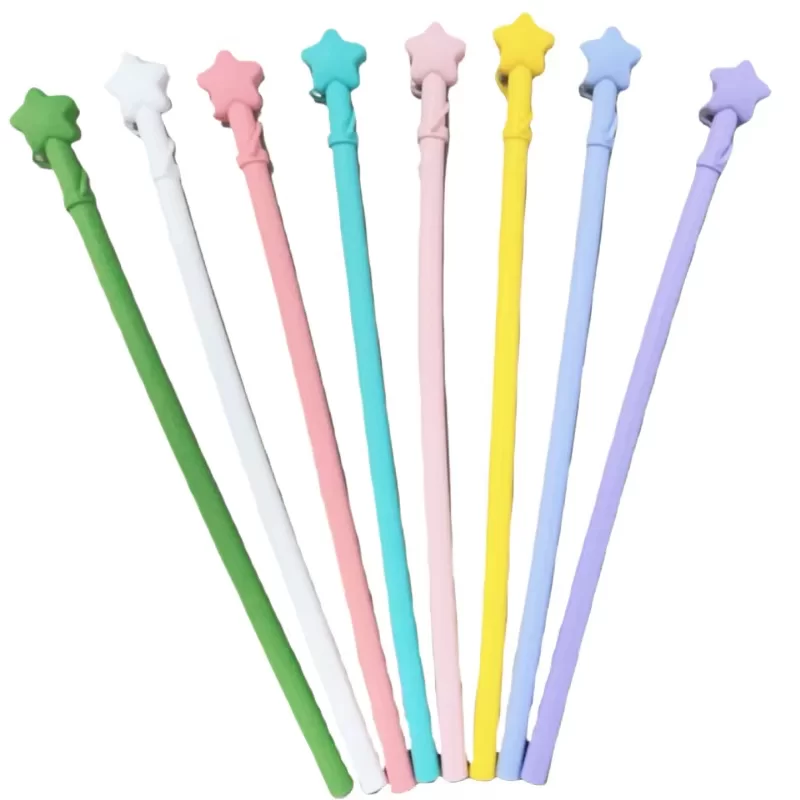
Furthermore, the burgeoning food processing industry in the DRC requires reliable Silicone Straw and tubing solutions. As the country seeks to reduce post-harvest losses through better processing technology, the need for non-toxic, heat-resistant silicone seals and conduits has become a strategic priority for local manufacturers.
Evolution of Silicone Extrusion Technology in the DRC

From basic rubber seals to high-precision engineered silicone profiles.

Market Development History

Prior to 2010, the DRC primarily relied on natural rubber and low-grade PVC for industrial sealing. These materials lacked the thermal stability required for the region's industrial machinery, leading to frequent failures and high maintenance costs in mining operations.

Between 2010 and 2020, there was a technical shift toward synthetic elastomers. The introduction of the Silicone Door Strip became prominent in the construction of energy-efficient cold storage facilities, essential for preserving pharmaceuticals and food in the tropical climate.

From 2021 to the present, the market has entered the "Precision Era." The focus has shifted toward specialized certifications (FDA/USP Class VI), where high-purity silicones are now imported to meet international safety standards for the region's growing beverage and medical sectors.

Future Development Trends

Bio-compatible Material Integration

Driven by global health initiatives, the DRC will see a 40% increase in the adoption of medical-grade polymers to reduce cross-contamination in rural health centers.

Energy-Efficient Thermal Sealing

As urban centers grow, the demand for advanced thermal insulation and weather-stripping will drive the adoption of customized silicone profiles to reduce cooling costs.

Sustainable Circular Economy

Google search trends indicate a rise in "eco-friendly industrial rubber," suggesting a move toward recyclable silicone components to protect the Congo's rainforest biodiversity.

Industrial Outlook and Future Forecast for DRC Rubber Products

Strategic technological trajectories for the 2025-2030 period.

Healthcare Grade Expansion
Rapid scaling of sterile silicone tubing for surgical and diagnostic applications across provincial hospitals.
Cold Chain Optimization
Deployment of high-performance gaskets to prevent thermal leakage in vaccine and food storage.
Industrial Automation
Transition toward custom extruded profiles for automated mining conveyor and sorting systems.
Sustainability Shift
Increasing preference for platinum-cured silicone to eliminate volatile organic compounds.

Industry Outlook

The future of rubber manufacturing in the Democratic Republic of the Congo is inextricably linked to the country's infrastructure modernization. We anticipate a shift from general-purpose rubber to specialized silicones that offer superior longevity in extreme environments.

As the DRC strengthens its trade ties, the standardization of components according to ISO and FDA guidelines will become the primary driver for procurement, favoring manufacturers who provide certified material traceability.

Local Application Scenarios in Democratic Republic of the Congo

Practical implementation of silicone rubber solutions in regional industries.

01. Mining Equipment Maintenance

Using heavy-duty Extruded Silicone Tube for hydraulic seals and protective conduits in cobalt and copper mines to resist abrasive dust and high temperatures.

02. Tropical Cold Storage Logistics

Installing custom Silicone Door Strip profiles in warehouse refrigeration units to prevent energy loss and protect temperature-sensitive medicine shipments.

03. Urban Beverage Manufacturing

Integration of Food-Grade Silicone Tube in Kinshasa's bottling plants to ensure contaminant-free liquid transfer and easy sterilization.

04. Regional Clinic Sterilization

Deployment of Medical-Grade Silicone Tube for oxygen delivery and fluid management in provincial health centers requiring autoclave-compatible equipment.

05. Sustainable Consumer Goods

Replacing single-use plastics in the hospitality sector with reusable Silicone Straw products to align with global environmental conservation goals in the Congo Basin.

Brand Story

Global Development History of Shenzhen Guangyufeng Rubber Products Co., Ltd.

Foundational Engineering

Established with a vision to solve the failure rates of industrial seals, focusing on the core chemistry of high-consistency rubber (HCR).

Precision Extrusion Mastery

Invested in advanced extrusion lines to achieve micron-level tolerances for complex silicone profiles used in global medical devices.

Global Certification Leap

Achieved FDA, LFGB, and RoHS certifications, allowing the brand to enter strictly regulated food and health markets worldwide.

African Market Adaptation

Developed specialized heat-and-UV resistant formulas specifically for the challenging climates of Central and West Africa.

Future-Ready Innovation

Now integrating smart-material sensors into silicone extrusions to provide predictive maintenance for industrial clients.

Common Questions for Silicone Procurement in the DRC

Technical guidance and logistical clarity for our Congolese partners.

How does high humidity in the Congo affect Extruded Silicone Tube longevity?

Our silicone is hydrophobic and chemically inert, meaning it does not absorb moisture or degrade in high-humidity environments, unlike traditional rubber or PVC.

Are your Medical-Grade Silicone Tube products compliant with international health standards?

Yes, our medical-grade products meet USP Class VI and ISO 10993 standards, ensuring they are non-toxic and safe for patient contact.

Can the Silicone Door Strip be customized for specific industrial refrigerator dimensions in Kinshasa?

Absolutely. We provide custom extrusion molding based on your exact technical drawings to ensure a perfect airtight seal.

What is the heat resistance of your Food-Grade Silicone Tube for beverage processing?

Our food-grade silicone can withstand continuous temperatures up to 200°C, making it ideal for steam sterilization (SIP) and hot-fill processes.

Are the Silicone Straw products available in bulk for hospitality businesses in the DRC?

Yes, we offer wholesale B2B packaging for reusable straws, including various diameters and lengths to suit different beverage types.

What is the typical lead time for shipping custom silicone extrusions to the Democratic Republic of the Congo?

Depending on the complexity of the custom mold, production takes 10-15 days, with shipping options available via air or sea to major DRC ports.

Connect with our Silicone Experts

Ready to upgrade your industrial infrastructure? Contact us for specialized rubber extrusion solutions tailored for the Democratic Republic of the Congo.

Contact Us Now