Look, I’ve spent the last twenty years breathing dust on construction sites, wrestling with blueprints, and generally making sure things actually get built. When it comes to keeping folks safe and productive on the job, getting the right air is absolutely critical. It's not just about comfort; it's about protecting lungs, boosting focus, and preventing serious health issues. That’s where a good hospital air machine comes in. These aren’t your grandpa’s compressors. Modern systems are engineered for reliability, efficiency, and to handle the demands of even the most challenging environments.
For too long, we’ve relied on makeshift solutions or underpowered equipment. I’ve seen too many projects delayed because of inadequate air supply, or worse, workers sidelined due to respiratory problems. A properly specified hospital air machine, integrated into the site plan from the start, eliminates those headaches. It’s a proactive approach to safety and efficiency – and frankly, it saves money in the long run.
It's about more than just clean air. It's about having the right air pressure for every tool, every application. Consistent, reliable airflow translates directly to faster completion times, better quality work, and a happier crew. That's a recipe for success on any project, big or small.
The Critical Role of Hospital Air Machines in Modern Construction
Let's be clear: reliable compressed air isn’t a luxury on a construction site, it’s a necessity. From powering pneumatic tools like nail guns and impact wrenches to running sandblasting equipment and sprayers, modern building relies on a consistent supply of clean, dry air. A hospital air machine delivers that, and more importantly, does it safely and efficiently.
I’ve seen too many jobs held up because of air compressors that just couldn’t keep up with demand. Guys wasting time troubleshooting, tools sputtering and failing, the whole operation grinding to a halt. It's frustrating, it's expensive, and it’s entirely preventable with the right equipment upfront. Investing in a robust, well-maintained system pays for itself many times over.
Understanding Hospital Air Machine Technology
These aren't the simple compressors of years past. Modern hospital air machine systems incorporate sophisticated engineering to maximize performance and minimize downtime. Things like variable speed drives, advanced filtration systems, and robust cooling mechanisms are standard fare. This means more consistent pressure, cleaner air, and a longer lifespan for the equipment.
We’re also seeing a move towards more compact and portable units, which is a huge benefit on sites with limited space. The ability to easily move the air source closer to the work area reduces air line losses and boosts overall efficiency. And let's not forget about noise levels – quieter machines create a more comfortable and productive work environment.
The key is understanding the specific demands of your project. What tools will you be using? How many operators will be running them simultaneously? What’s the ambient temperature and humidity? Answering these questions will help you select a system that’s perfectly tailored to your needs.
Core Components and Design Considerations
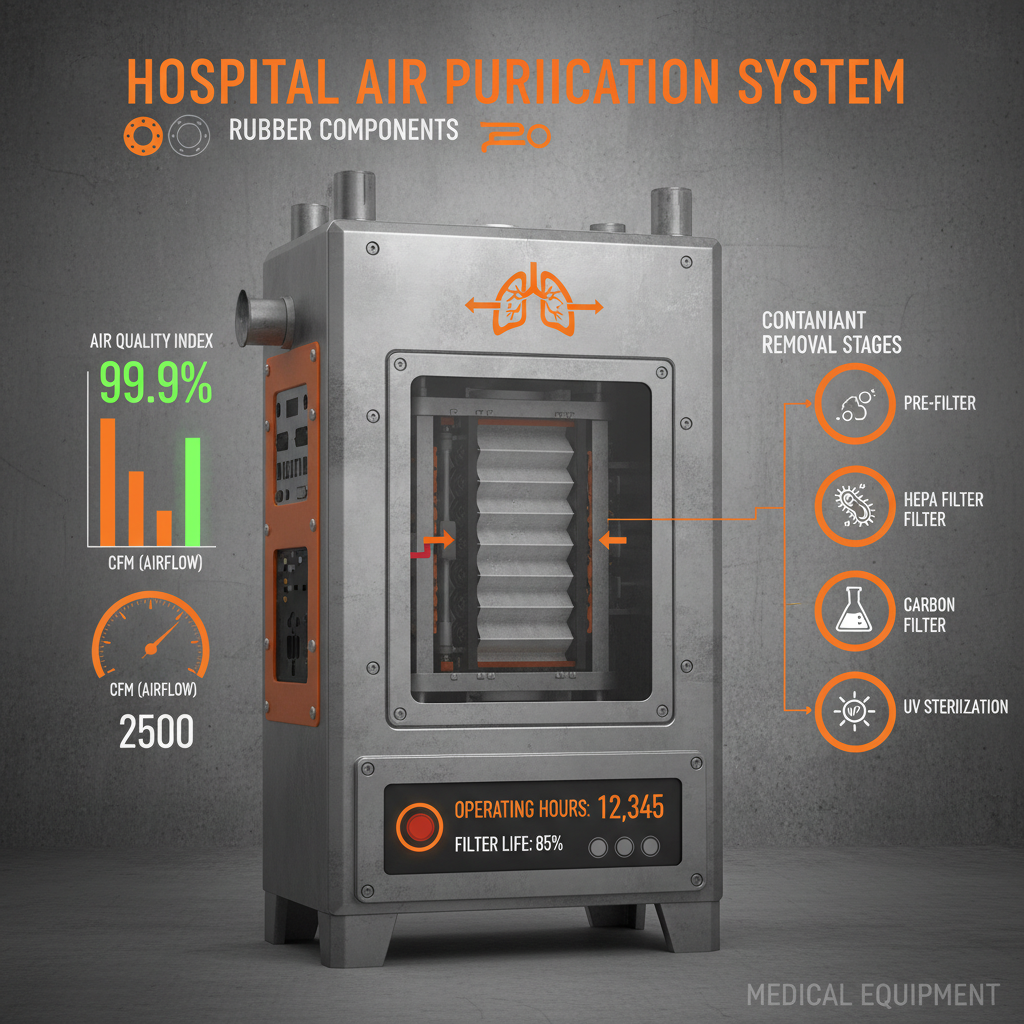
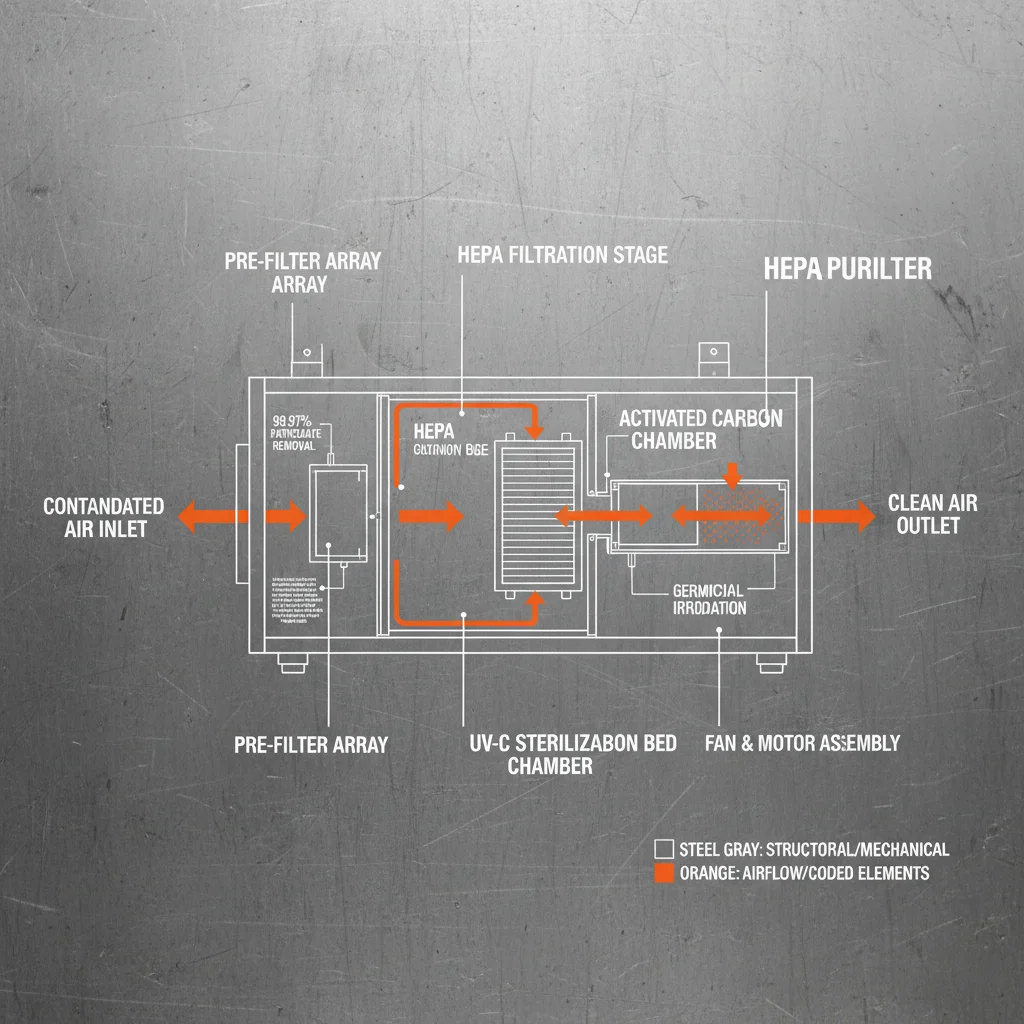
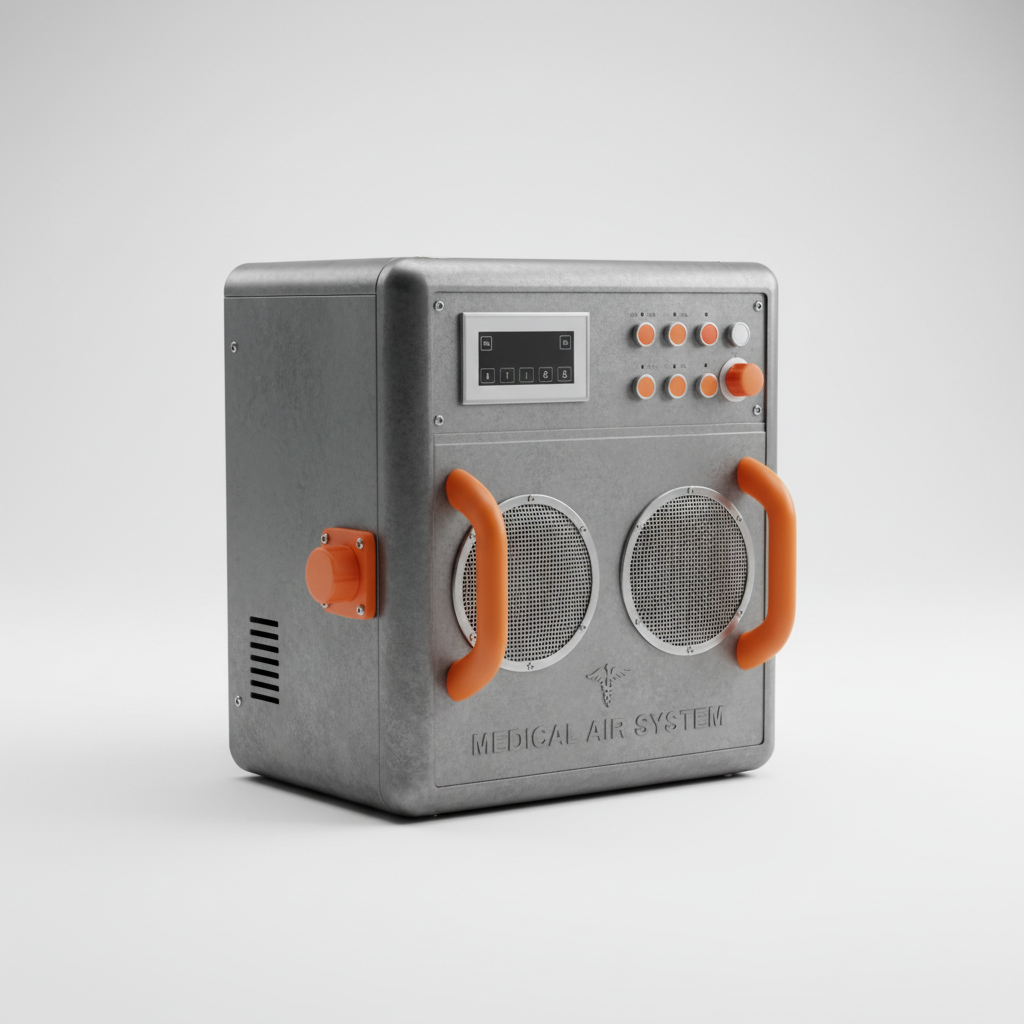
When you break down a hospital air machine, you’re looking at a few key components: the compressor itself (typically screw or piston type), the air receiver tank, the filtration system, and the control panel. Each element plays a crucial role in delivering clean, reliable air.
The design itself is also critical. Look for units built with durable materials that can withstand the rigors of a construction site. Easy access to service points is a must – you don’t want to spend hours wrestling with panels just to change a filter. And consider the overall footprint. A compact design makes it easier to maneuver and store the unit when it’s not in use.
Don't underestimate the importance of the filtration system. Airborne contaminants like dust, oil, and water can damage tools, reduce efficiency, and even pose health risks to workers. A multi-stage filtration system, including a pre-filter, a coalescing filter, and a particulate filter, is essential for ensuring a consistent supply of clean air.
Performance Metrics and Efficiency Ratings
You can't just go by brand name alone. You need to look at the numbers. Key performance metrics include CFM (cubic feet per minute) – which measures the volume of air delivered – and PSI (pounds per square inch) – which measures the air pressure. Make sure the unit can deliver the CFM and PSI required for your tools.
Also, pay attention to the efficiency rating. A more efficient hospital air machine will consume less energy, saving you money on your electricity bill. Look for units with energy-saving features like variable speed drives and automatic shut-off timers.
Hospital Air Machine Performance Comparison
Real-World Applications Across Industries
It’s not just construction, either. A reliable hospital air machine is essential in industries like demolition, mining, manufacturing, and even automotive repair. Anywhere pneumatic tools are used, you need a consistent supply of clean, compressed air.
I’ve seen them used for everything from operating jackhammers and concrete saws to powering sandblasting equipment and spray painting systems. The versatility of these machines makes them an invaluable asset on any job site.
The Long-Term Benefits of Investing in Quality Air
Look, I've been around long enough to know that cutting corners upfront almost always costs you more in the long run. A cheap hospital air machine might seem like a good deal at first, but it will likely break down sooner, require more maintenance, and deliver inconsistent performance.
Investing in a quality unit, backed by a solid warranty and a reliable service network, pays off in the form of reduced downtime, increased productivity, and a safer work environment. It's about building a sustainable operation that can deliver results consistently.
And don’t forget about the health of your crew. Providing clean, dry air protects their lungs and reduces the risk of respiratory problems. That’s something you can’t put a price on.
Future Trends and Innovations in Hospital Air Machine Technology
We're starting to see a push towards more energy-efficient and environmentally friendly hospital air machine systems. Things like variable speed drives, smart controls, and even hybrid electric models are gaining traction.
Remote monitoring and diagnostics are also becoming more common. This allows service technicians to remotely monitor the performance of the unit and identify potential issues before they become major problems. This proactive approach minimizes downtime and keeps projects on schedule.
I also expect to see more integration with other site technologies, like building information modeling (BIM) and project management software. This will allow for better planning, coordination, and overall efficiency.
Summary Table of Hospital Air Machine Technology Trends
| Trend Category |
Description |
Impact on Construction |
Implementation Difficulty (1-5) |
| Energy Efficiency |
Variable speed drives, smart controls, reduced energy consumption |
Lower operating costs, reduced carbon footprint |
3 |
| Remote Monitoring |
Remote diagnostics, predictive maintenance, performance tracking |
Reduced downtime, improved reliability |
4 |
| Hybrid Power |
Combining electric and traditional power sources |
Reduced fuel consumption, lower emissions |
5 |
| Compact Designs |
Smaller footprint, increased portability |
Easier to maneuver, better space utilization |
2 |
| Smart Integration |
Integration with BIM and project management software |
Improved coordination, streamlined workflows |
4 |
| Advanced Filtration |
Multi-stage filtration for cleaner air |
Reduced tool wear, improved worker health |
3 |
FAQS
A well-maintained, high-quality hospital air machine can easily last 5-10 years, even in demanding construction environments. Regular servicing, filter replacements, and adherence to manufacturer recommendations are key. Look for models with robust construction and readily available spare parts to maximize longevity.
Check the specifications of each pneumatic tool you'll be using. The manufacturer will list the required CFM and PSI. It’s crucial to select a hospital air machine that can consistently deliver those ratings, ideally with a slight margin for peak demand. Undersizing the compressor will lead to performance issues and premature wear.
VSD compressors automatically adjust their motor speed to match air demand, leading to significant energy savings. They also reduce wear and tear on the compressor components and provide more consistent pressure. While they typically have a higher upfront cost, the long-term operational savings often outweigh the initial investment.
Air filtration is critical. Contaminants in the air supply can damage tools, reduce efficiency, and pose health risks. A multi-stage system with a pre-filter, coalescing filter, and particulate filter is recommended. Regular filter replacement is essential to maintain performance.
Regular maintenance includes checking oil levels (if applicable), draining the air receiver tank daily, inspecting and replacing filters, checking belts and hoses for wear, and ensuring proper ventilation. A preventative maintenance schedule is highly recommended to avoid costly breakdowns.
Always follow manufacturer safety guidelines. Ensure proper grounding, use appropriate air hoses and fittings, and never exceed the maximum operating pressure. Provide adequate ventilation and wear appropriate personal protective equipment (PPE) when working near the compressor. Regular safety inspections are essential.
Conclusion
Ultimately, a hospital air machine isn’t just a piece of equipment; it’s a core component of any successful construction operation. It's about providing a safe, efficient, and reliable air supply that empowers your crew to do their best work. Investing in quality, understanding your needs, and prioritizing preventative maintenance will pay dividends in the long run.
Don't underestimate the power of clean air. It's a simple thing that can have a profound impact on productivity, safety, and the overall success of your projects. Take the time to choose the right system, and you’ll be glad you did. To learn more about selecting the best hospital air machine for your needs, visit our website: www.gyfsilicone.com